When parents ask “is my child kindergarten ready?” they’re usually thinking about letters and numbers. But ask any elementary teacher what actually predicts a smooth kindergarten transition, and academics rarely top the list. The real foundation is everyday habits: self-care, independence, routines, and yes — being reliably out of diapers. This is Part 1 of our two-part series on kindergarten readiness, focused entirely on the habits and life skills side of the equation. Part 2 covers the academic and social-emotional pieces.
What “Kindergarten Ready” Actually Means
Kindergarten classrooms move fast, with less one-on-one support than preschool and higher expectations for self-management. A child who can independently manage their own belongings, follow a daily routine, and handle basic self-care arrives with far more mental bandwidth left over for learning — regardless of whether they already know their letters.
Self-Care Habits That Matter Most
A handful of everyday skills make an outsized difference in a child’s kindergarten confidence:
- Dressing independently: putting on and taking off a jacket, managing zippers and buttons, and identifying their own belongings.
- Handwashing and hygiene: washing hands thoroughly without reminders and using a tissue independently.
- Feeding themselves: opening containers, using utensils, and managing a lunch tray or lunchbox without adult help.
- Cleaning up after themselves: putting away materials, pushing in a chair, and tidying a workspace before moving to the next activity.
- Following multi-step routines: completing a sequence like “hang up your coat, put your bag away, find your seat” without step-by-step prompting.
Toilet Learning: The Montessori Approach
Toilet learning — the Montessori term for what’s often called potty training or toilet training — is treated as a natural developmental milestone rather than a battle of wills. A few principles guide the approach:
- Follow physical readiness, not a fixed age: signs include noticing wetness, staying dry for longer stretches, showing interest in the bathroom, and being able to communicate needs.
- Real underwear, real feedback: cloth training pants or real underwear (rather than pull-ups) let children feel wetness directly, which builds the body awareness needed to recognize the urge before it happens.
- Consistency between home and school: toilet learning goes far more smoothly when the approach, language, and routine are the same in both places — which is why close communication with your child’s teacher matters so much during this stage.
- Patience over pressure: setbacks and accidents are a normal part of the process, not a sign that something is wrong. Avoiding pressure or shame keeps the process moving forward rather than creating anxiety around it.
- Independence in the bathroom itself: child-height toilets, step stools, and encouragement to manage clothing independently all support the same underlying goal — a child who can handle the whole process themselves by the time they start kindergarten.
Building Daily Routines and Time Awareness
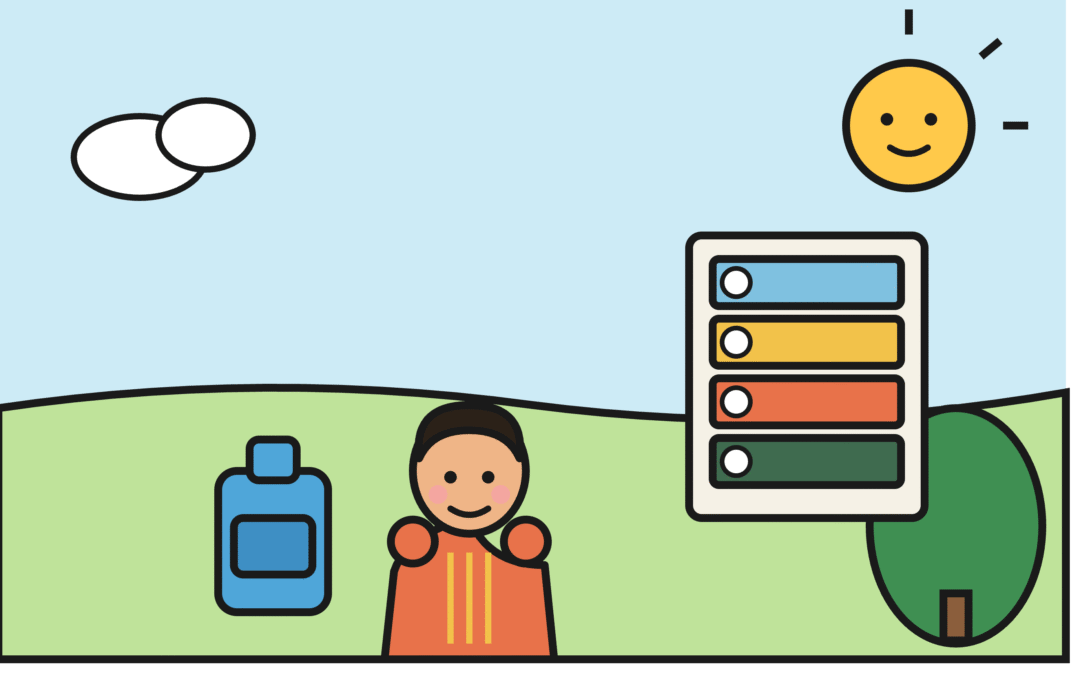
Kindergarten runs on transitions — circle time, work time, lunch, recess, dismissal — and children who’ve practiced following a predictable daily rhythm adjust far more easily. At home, a simple visual routine chart for morning and bedtime can build the same skill: a consistent, predictable sequence a child can eventually follow with less and less prompting.
Early Emotional Regulation
Kindergarten also asks children to manage bigger feelings with less immediate adult support than preschool provides. Simple tools — naming feelings out loud, taking a breath before reacting, using words instead of grabbing or hitting — build the emotional groundwork for a classroom of 20+ children with one teacher.
Practical Tips You Can Start This Week
Let your child dress themselves even when it’s slower. Give them a real job at home, like setting the table or feeding a pet. Practice a consistent bedtime and morning routine. And if toilet learning hasn’t started yet, talk with your child’s teacher about aligning your approach between home and school.
How Petite Maison Builds These Habits Every Day
At Petite Maison Montessori, independence isn’t an add-on — it’s built into every part of the daily rhythm, from Practical Life work to child-height bathrooms designed to support toilet learning. By the time our Primary/Kindergarten students are ready to graduate, these habits are second nature.
Ready for the academic and social-emotional side of kindergarten readiness? Read Part 2 of this series next, or schedule a tour to see our Primary/Kindergarten classrooms in person.